





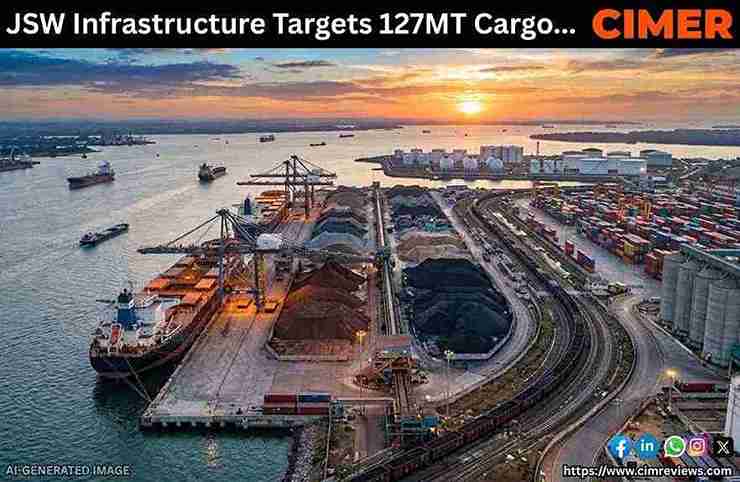


The rapid growth of India’s construction sector is significantly contributing to the global rise in carbon emissions. As one of the world’s fastest-growing economies, India’s infrastructure expansion is essential for its development. However, this growth comes with environmental challenges that cannot be overlooked. This article explores the driving forces behind India’s construction boom, its environmental impact, and potential strategies for sustainable development.
Table of Contents
The Driving Forces Behind India’s Construction Boom
India’s construction industry is experiencing unprecedented growth due to several factors. A booming population and urbanization are primary contributors, as cities expand to accommodate millions of new residents. Government initiatives and foreign investments are also playing crucial roles in enhancing infrastructure, from roads and bridges to housing and commercial complexes.
The government’s ambitious projects, such as the Smart Cities Mission and the Bharatmala Pariyojana, are designed to modernize India’s infrastructure. These projects aim to improve urban living conditions and connectivity, further fueling the demand for construction materials and activities. While these developments are vital for economic growth, they also pose significant environmental challenges.
Environmental Impact of Construction Activities
The construction sector is a major source of carbon emissions, primarily due to the production and use of cement, steel, and other building materials. The energy-intensive nature of these materials leads to substantial greenhouse gas emissions, contributing to climate change.
In India, the environmental impact is exacerbated by inefficient construction practices and outdated technologies. The lack of stringent regulations and enforcement further complicates efforts to mitigate emissions. As the demand for infrastructure continues to soar, it is crucial to address these issues to minimize the ecological footprint of the construction industry.
Strategies for Sustainable Construction
To combat the environmental challenges posed by the construction boom, India must adopt sustainable practices. Implementing energy-efficient technologies and materials can significantly reduce carbon emissions. For example, the use of fly ash in cement production can decrease the carbon footprint of construction activities.
Innovative construction techniques, such as prefabrication and modular building, offer another path to sustainability. These methods minimize waste and resource use, leading to more efficient and eco-friendly construction processes.
Additionally, the government and private sector should invest in research and development to discover new materials and technologies that reduce environmental impact. Encouraging green certifications and sustainability standards will further incentivize the adoption of environmentally friendly practices.
The Role of Policy and Regulation
Effective policy and regulation are essential for driving sustainable construction in India. The government must implement and enforce stricter environmental regulations to ensure compliance with global standards. Incentives for adopting green technologies and penalties for non-compliance can motivate the industry to prioritize sustainability.
Collaboration between government, industry leaders, and environmental organizations is crucial to developing comprehensive policies that balance economic growth with environmental protection. By fostering a culture of sustainability, India can lead the way in responsible construction practices.
Key Takeaways
- India’s construction sector is a key driver of global carbon emissions.
- Rapid urbanization and government projects fuel the demand for infrastructure.
- Sustainable practices and technologies can reduce the environmental impact.
- Policy and regulation play a crucial role in promoting green construction.
Disclaimer: This content is for educational and informational purposes only and does not constitute investment, financial, or trading advice, nor a recommendation to buy or sell any securities. Readers should consult a SEBI-registered advisor before making investment decisions, as markets involve risk and past performance does not guarantee future results. The publisher and authors accept no liability for any losses. Some content may be AI-generated and may contain errors; accuracy and completeness are not guaranteed. Views expressed do not reflect the publication’s editorial stance.




.jpg "Coal output rises on strong captive and commercial mine performance")