






The rhythmic clatter of tracks across the vast Indian landscape is more than just the sound of travel; it is the lifeblood of a country’s economy. This February, that heartbeat became stronger and more resonant. Indian Railways has once again demonstrated its mettle as the ultimate backbone of the country’s logistical framework, with a significant increase in freight operations indicating a strong period of industrial activity.
Table of Contents
The Power of the Numbers
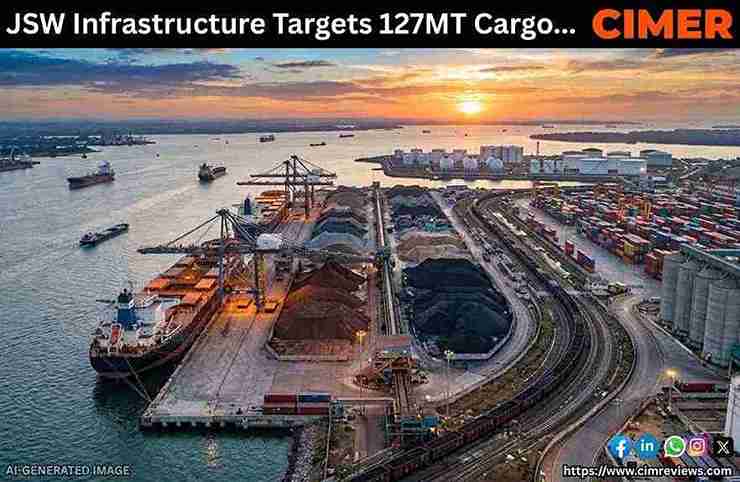
The Ministry of Railways recently released data, which shows a stellar performance in February. The national carrier successfully loaded 137.72 million tonnes (MT). This represents a solid 3.96% increase over the same period last year, when the loading stood at 132.47 MT. In the world of massive logistics, a nearly 4% increase is an incredible feat of coordination.
Revenue Streams Overflowing
Not only is the volume increasing, but so is the impact on the treasury. The freight earnings for February were impressive, up approximately 5.41% over the previous year. This financial stability enables the railroads to reinvest in safety, speed, and modern infrastructure. Each tonne of steel or coal moved contributes directly to the national budget.
Steel and Iron Ore Lead the Charge
Heavy industry’s heavyweights were the primary drivers of this growth. Steel and iron ore movements experienced a dramatic increase. As India’s construction sector expands, demand for these raw materials has skyrocketed. Indian Railways served as a continuous conveyor belt, connecting mines to factories and factories to urban development sites throughout the country.
Feeding the Nation with Fertilisers
Aside from industrial metals, the agricultural sector played an important role in this February success story. Fertiliser loading increased significantly, ensuring that farmers in the interior regions receive their necessary inputs on time for the coming seasons. This strategic movement emphasises the railways’ social responsibility in addition to their commercial goals, thereby securing the nation’s food supply.
The Coal Factor
While the transition to green energy continues, coal remains the primary energy source for India’s power plants. Indian Railways managed the massive task of transporting millions of tonnes of coal to keep the lights on and factories running. The efficiency of the “Coal-to-Power” supply chain frequently distinguishes between economic stability and energy shortages.
Logistics Efficiency Gains
This expansion is not a result of luck. It is the result of the “Hungry For Cargo” policy and an unwavering commitment to improving business efficiency. Railways have successfully diverted traffic from roads to tracks by providing competitive rates and improved terminal facilities. This shift is not only more cost-effective for businesses, but also significantly more environmentally friendly.
Expanding the Commodity Basket
Railways are no longer just for coal and iron. There has been a concerted effort to diversify the goods shipped. The goods basket is becoming more diverse, with vehicles being moved in specialised rakes as well as food grains and containers. This diversification strengthens the railway revenue model against market fluctuations in any single sector.
Technological Edge
Behind these numbers is a sophisticated digital infrastructure. Real-time waggon tracking and automated signalling have significantly reduced turnaround times. When a waggon spends less time sitting idle and more time moving, the overall network capacity increases without the need to lay a single new mile of track. The “sweating of assets” is critical to the 137.72 MT achievement.
Infrastructure Bottlenecks Easing
The work on the Dedicated Freight Corridors (DFCs) is also beginning to pay off. Railways achieve faster and more reliable service by separating freight traffic from passenger trains. While the entire network is still evolving, the segments that are already operational serve as high-speed arteries for the nation’s commerce, allowing for the record-breaking figures we saw in February.
A Greener Way to Grow
Sustainability is at the heart of this freight expansion. Transporting goods by rail emits significantly less CO2 per tonne-kilometer than road transport. By increasing freight share to 3.96%, Indian Railways is effectively assisting India in meeting its global climate commitments. Every additional million tonnes moved to rail is a win for the environment and a step closer to a cleaner, more efficient industrial future.
About CIM Reviews: Stay updated with the latest developments in construction, infrastructure, and mining industries through our comprehensive analysis and expert insights.
Group Media Publication
Construction, Infrastructure, and Mining
General News Platforms – IHTLive.com
Entertainment News Platforms – https://anyflix.in/
Powered By: Super-fast and reliable streaming is delivered by Bunny CDN.
Explore: https://bunny.net/?ref=i33ljelh4w




.jpg "Coal output rises on strong captive and commercial mine performance")