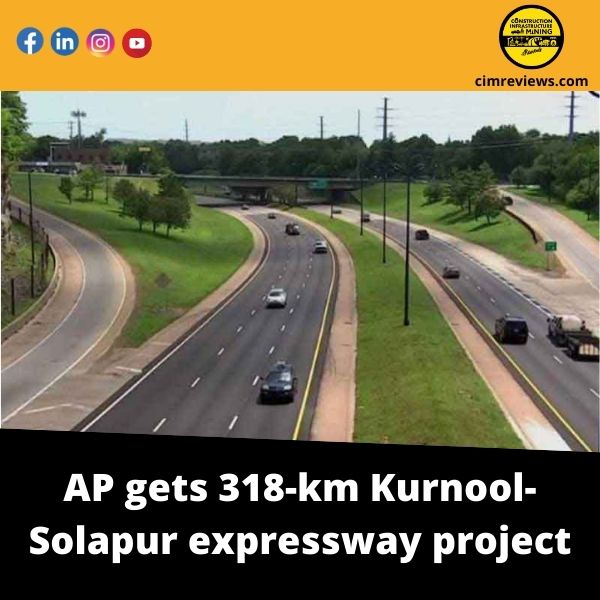


The new anthem of the Indian countryside is the repetitive hum of tires on newly laid bitumen. If you’ve lately gone on a road trip, you’ve probably noticed that the horizon appears to be moving more quickly than it has in the past. India is currently experiencing a Renaissance in civil engineering that is radically changing the country’s topography.
For the 2025–2026 fiscal year, the National Highways Authority of India (NHAI) has essentially steamrolled expectations rather than merely meeting them. The agency exceeded its building objective by an astounding 15% in a demonstration of its logistical expertise. Although the plan intended for a respectable 4,640 km of new highways, 5,313 km of high-speed corridors were actually built.
Table of Contents
The Velocity of Change
This is a triumph of momentum rather than just concrete and asphalt. For many years, bureaucratic bottlenecks and delays were frequently associated with Indian infrastructure. The story now focuses more on “Gati” or speed. The accomplishment of surpassing a goal by almost 700 kilometres in a single fiscal cycle is indicative of a well coordinated planning and execution apparatus.
You can feel the acceleration. Travel time between economic hotspots decreases with each km added to the national grid. It shows that the distance between a city market and a farmer’s field is getting closer. The global investment community is reassured by this 15% surplus, which shows that India can fulfil its enormous infrastructure commitments.
Strategic Corridors and Connectivity
The careful positioning of these roadways, in addition to their length, is what makes this 5,313 km accomplishment noteworthy. NHAI is now building greenfield motorways instead than just expanding existing roadways. These are completely new routes that have been carved out to maximise efficiency, cutting through logistical bottlenecks and avoiding crowded urban areas.
These new roads serve as the modern economy’s circulatory system. The NHAI is making sure that big goods can travel at constant rates by concentrating on access-controlled routes. This efficiency cuts gasoline consumption and the total cost of logistics, which has historically been greater in India than in other countries.
Technology at the Helm
How did the NHAI surpass its own aggressive timetable? The use of cutting-edge technologies in building and monitoring deserves a lot of praise. The “eyes in the sky” have kept projects on schedule through the use of satellite imaging and drone surveys that monitor daily development.
When a particular section of the roadway encounters a problem, real-time action is now possible thanks to project management software. This proactive strategy keeps minor setbacks from escalating into multi-year problems. Highway construction has also become a high-speed assembly line thanks to the employment of automated paving machines and pre-cast concrete technologies.
Economic Aftershocks
The effects of constructing 5,313 km of highway extend much beyond the surface of the road. Every project generates a localised economic boom. This kind of construction necessitates a large labour force and creates thousands of employment in rural and semi-urban regions. Additionally, it acts as a stimulus for the industrial sector by increasing the need for domestic steel and cement.
The highway attracts growth as soon as the ribbon is cut. Along these new commercial routes, we witness the emergence of warehouses, logistics parks, and industrial clusters. “Geographic disadvantage” is becoming a thing of the past as little communities that were previously isolated are being included into the mainstream economy.
Sustainability and Future Goals
Building more quickly does not equate to building carelessly. The focus of the current campaign has shifted to “Green Highways.” This includes installing rainwater harvesting devices along the medians, planting trees and building roads using recycled plastic.
Additionally, the NHAI is getting ready for the mobility of the future. “Electric Vehicle” (EV) charging infrastructure is being considered in the design of many of these recently finished sections. The government has set a high standard for the upcoming years by exceeding the FY26 targets. The objective is now to develop a world-class, seamless transit experience that can compete with the best global networks, rather than merely connecting cities.
About CIME Reviews: Stay updated with the latest developments in construction, infrastructure, and mining industries through our comprehensive analysis and expert insights.
Group Media Publication
Construction, Infrastructure, Mining and Energy
General News Platforms – IHTLive.com
Entertainment News Platforms – https://anyflix.in/
Powered By: Super-fast and reliable streaming is delivered by Bunny CDN.
Explore: https://bunny.net/?ref=i33ljelh4w